

Best Automatic Hoover
Add a review FollowOverview
-
Sectors Restaurant / Food Services
-
Posted Jobs 0
-
Viewed 197
Company Description
10 Reasons You’ll Need To Be Educated About Autonomous Vacuum
The Rise of the Robots: Exploring the World of Autonomous Vacuum Cleaners
In today’s fast-paced world, benefit and effectiveness are more extremely valued than ever. As technology continues to penetrate every aspect of our lives, home tasks are no exception. One such area that has seen a remarkable transformation is floor cleaning, thanks to the introduction of autonomous vacuum, typically referred to as robot vacuums or robovacs. These intelligent devices are no longer a futuristic dream however an easily available truth, reinventing the way we preserve clean homes.
Autonomous vacuum cleaners are designed to navigate and clean floorings without direct human control. They represent a substantial leap from traditional vacuum, using a hands-free approach to a typically tedious and lengthy job. Their appeal has actually surged in current years as individuals discover the indisputable benefits they bring to contemporary homes. From busy professionals to families with young kids and pet owners, the appeal of having a robot vigilantly cleaning floors while you concentrate on more pushing matters is indisputable.
This article dives into the remarkable world of autonomous vacuum cleaners, exploring how they work, their advantages, the different types readily available, and what to consider when picking one for your home. We will also touch upon upkeep and the interesting future that lies ahead for this rapidly progressing technology.
How Autonomous Vacuum Cleaners Work: A Symphony of Sensors and Software
The magic of autonomous vacuum depends on their sophisticated integration of sensors, software, and mechanical parts. These gadgets are even more than just mini vacuum cleaners that move arbitrarily. They are crafted to wisely browse your home, tidy efficiently, and return to their charging stations autonomously.
Here’s a breakdown of the essential technologies that enable their performance:
-
Sensors: A plethora of sensing units are the eyes and ears of a robot vacuum. These sensors are important for navigation, challenge avoidance, and effective cleaning:
- Bump Sensors: These are physical sensing units around the border of the robot that detect accidents with walls, furnishings, and other barriers. Upon contact, the robot changes direction, avoiding damage to both the gadget and your home.
- Cliff Sensors: Located on the underside, these sensing units spot drops and avoid the robot from falling down stairs or ledges. They use infrared innovation to notice an abrupt change in height.
- Wall Sensors: These sensors permit the robot to follow walls carefully, guaranteeing edge cleaning and meticulous coverage along perimeters.
- Optical Sensors (and/or Gyroscopes): More advanced models use optical sensing units and gyroscopes to track motion and orientation. This assists in producing internal maps and making sure systematic cleaning patterns rather than random bouncing.
- Camera-Based Navigation: Some high-end robotics utilize cameras to “see” their surroundings, developing comprehensive maps of your home. This visual info, integrated with algorithms, allows more efficient and precise navigation.
-
Navigation and Mapping: Autonomous vacuum cleaners make use of various navigation methods, varying from easier random bounce patterns to advanced mapping systems:
- Random or Bouncing Navigation: Entry-level models typically utilize an easier technique, moving in a relatively random pattern and changing direction when they come across obstacles. While less effective, they can still cover a location successfully in time.
- Methodical Navigation: More advanced robotics employ methodical cleaning patterns, such as back-and-forth lines, spirals, or room-by-room cleaning. This makes sure more thorough coverage and lowers redundancy.
- Mapping and Path Planning: Sophisticated designs make use of SLAM (Simultaneous Localization and Mapping) or similar technologies to produce and remember a map of your home. This allows them to plan efficient cleaning routes, tidy particular rooms, and avoid areas designated as no-go zones. Users can frequently communicate with these maps by means of mobile phone apps.
-
Cleaning Mechanisms: Just like standard vacuum cleaners, robot vacuums use brushes and suction to get dirt and debris.
- Turning Brushes: Typically, they feature several rotating brushes underneath to loosen dirt and sweep it towards the suction nozzle. Some models also consist of side brushes to successfully clean edges and corners.
- Suction Power: The suction power varies between models. Higher suction power generally relates to much better efficiency, especially on carpets and for pet hair.
- Dustbins: Collected dirt is kept in an onboard dustbin. The capability of these bins varies, and they require to be cleared occasionally. Some more recent designs use self-emptying dustbins that link to a larger base station, significantly decreasing manual intervention.
-
Charging and Battery Life: Autonomous vacuum are battery-powered and featured charging docks.
- Automatic Docking: When the battery is low or cleaning is complete (depending upon the configured settings), the robot automatically goes back to its charging dock to charge.
- Battery Life: Battery life varies significantly depending upon the model and cleaning mode. Some can run for over 2 hours on a single charge, sufficient for cleaning larger homes.
The Myriad Benefits of Embracing Robotic Cleaning
The benefits of integrating an autonomous vacuum cleaner into your household regimen abound. They offer a compelling mix of convenience, effectiveness, and improved home health:
- Time Savings: The most substantial benefit is time savings. You can maximize valuable time that would otherwise be spent vacuuming, allowing you to concentrate on more satisfying or productive activities. Just schedule cleaning times or initiate a cleaning cycle from another location.
- Consistent Cleanliness: Robot vacuums can be programmed to tidy everyday or multiple times a week, ensuring consistently clean floors and decreasing the accumulation of dust and irritants.
- Effortless Cleaning: Say bye-bye to the physical effort of pressing and pulling a conventional vacuum. Autonomous vacuums handle the job individually, making cleaning effortless, particularly for people with mobility problems.
- Access to Hard-to-Reach Areas: Their low profile allows them to clean under furnishings, beds, and other tight spaces that are often challenging to reach with upright or container vacuums.
- Pet Hair Management: Many robot vacuums are specifically designed to deal with pet hair efficiently, a benefit for pet owners battling with shedding.
- Improved Air Quality: By frequently getting rid of dust and irritants from floorings, robot vacuums can contribute to improved indoor air quality, which is especially advantageous for individuals with allergies or respiratory sensitivities.
- Smart Home Integration: Many contemporary models can be incorporated with smart home communities, permitting voice control and remote operation through smartphone apps.
Navigating the Landscape: Types of Autonomous Vacuum Cleaners
The market for autonomous vacuum is varied, offering a variety of designs with differing functions and rate points. Understanding the various types can assist you make an informed choice:
-
Basic Models (Random Navigation): These are entry-level, affordable models that normally utilize random navigation. They are reliable for smaller areas and fundamental cleaning requirements however may be less effective and methodical.
-
Mid-Range Models (Systematic Navigation & & Basic Mapping): These models often incorporate methodical cleaning patterns and basic mapping abilities, using more efficient and thorough cleaning than basic models. They might include functions like room-by-room cleaning or virtual walls.
-
High-End Models (Advanced Mapping & & Smart Features): These are high-grade models geared up with innovative mapping innovations, smart functions, and robust efficiency. They frequently use functions like:
- Camera-based navigation and accurate mapping
- Selective space cleaning and zone cleaning
- No-go zones and virtual borders
- Smart device app control and scheduling
- Voice control combination
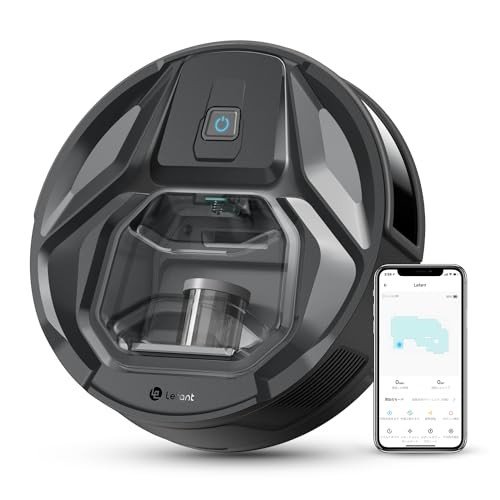
- Vexilar W11: Self-Emptying Robot Vacuum & Mop dustbins
-
Specialized Models: Some models are created for particular requirements:
- Pet-Specific Models: Optimized for getting pet hair with specialized brushes and filters.
- Mop and Vacuum Combos: These hybrid devices can both vacuum and mop difficult floorings in a single cleaning cycle.
- Ultra-Thin Models: Designed to fit under even lower furnishings clearances.
Picking the Right Robot: Key Considerations
Selecting the perfect autonomous vacuum includes considering a number of elements to ensure it aligns with your requirements and home environment. Here are some critical points to ponder:
- Floor Type: Consider the kind of flooring in your house. Some robots perform much better on difficult floorings, while others are enhanced for carpets. If you have a mix of floor covering, search for designs that can deal with transitions flawlessly and change suction power accordingly.
- Home Size and Layout: For bigger homes, prioritize designs with longer battery life and effective navigation systems. For complicated designs with several rooms, mapping capabilities and room-by-room cleaning become more essential.
- Budget: Robot vacuum range considerably in cost. Identify your budget and recognize the features that are crucial to you within that variety.
- Pet Ownership: If you have pets, particularly think about models developed for pet hair elimination with strong suction, tangle-free brushes, and reliable filtering systems.
- Smart Features: Evaluate if smart functions like smart device app control, scheduling, voice control, and mapping performances are important to you.
- Dustbin Capacity and Maintenance: Consider the dustbin size and how typically it will need clearing. If you prefer very little upkeep, check out self-emptying models.
- Sound Level: Robot vacuum cleaners do produce sound. Inspect the noise level requirements if noise level of sensitivity is an issue.
Maintaining Your Robotic Assistant: Ensuring Longevity
Like any home appliance, appropriate maintenance is necessary for ensuring the longevity and optimal performance of your autonomous vacuum cleaner. Routine upkeep jobs include:
- Emptying the Dustbin: Empty the dustbin routinely, ideally after each cleaning cycle, to preserve ideal suction and prevent clogging.
- Cleaning Brushes and Filters: Remove and clean the brushes, rollers, and filters occasionally. Hair, debris, and dust can build up and impede efficiency.
- Examining Sensors: Keep sensors clean from dust and particles to make sure precise navigation and barrier detection.
- Replacing Parts When Necessary: Brushes and filters are wear-and-tear parts that will require replacement with time. Follow the manufacturer’s suggestions for replacement intervals.
- Software Updates (if applicable): Some smart models receive software application updates to improve performance and include new features. Keep the software application upgraded as suggested by the producer.
The Future is Autonomous: What Lies Ahead
The innovation behind autonomous vacuum cleaners is constantly developing, assuring even more intelligent and capable gadgets in the future. We can expect to see developments in locations like:
- Enhanced AI and Navigation: More sophisticated AI and navigation algorithms will lead to even more effective and precise cleaning, challenge avoidance, and customized cleaning experiences.
- Enhanced Object Recognition: Robots will progress at acknowledging and preventing specific items like shoes, cables, and pet mishaps, further boosting security and performance.
- Integrated Home Cleaning Systems: We may see more combination with other smart home gadgets and systems, producing really smooth and automated home cleaning options.
- More Affordable Advanced Features: As innovation matures, advanced functions like mapping and self-emptying dustbins will likely become more affordable and available in a broader variety of models.
Conclusion: Embracing a Cleaner, Easier Future
Autonomous vacuum cleaners are more than simply a fashionable gizmo; they are a valuable tool that can substantially enhance your lifestyle by streamlining family chores and maximizing your time. By understanding how they work, their advantages, and the factors to think about when picking one, you can make an informed decision and welcome the benefit and cleanliness they bring to your home. As technology continues to advance, the future of autonomous cleaning looks brighter than ever, promising even smarter and more effective robotics to keep our homes pristine with minimal effort.
Regularly Asked Questions (FAQs) about Autonomous Vacuum Cleaners
Q: Are autonomous vacuum cleaners truly effective?A: Yes, they are efficient at preserving everyday cleanliness and getting dust, pet hair, and debris from floorings. While they may not change deep cleaning entirely, they significantly lower the frequency and effort needed for manual vacuuming.
Q: Can autonomous vacuum manage carpets?A: Many models are designed to manage carpets, however performance differs. Search for designs with excellent suction power and features like carpet boost mode for much better carpet cleaning.
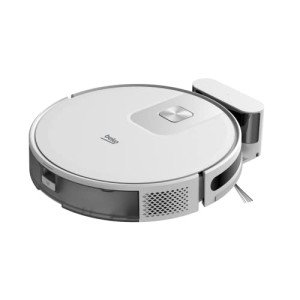
Q: Will a robot vacuum cleaner damage furniture or walls?A: Most robot vacuum have bump sensors to detect challenges and change instructions, reducing the threat of damage. Nevertheless, it’s always suggested to clear delicate products and wires from the floor before cleaning.
Q: How long do robot vacuum cleaners last?A: The lifespan of a robot vacuum depends upon use, upkeep, and model quality. With appropriate care, they can last for numerous years. Battery life will deteriorate with time and may need replacement.
Q: Are robot vacuum loud?A: They are generally quieter than conventional vacuum cleaners, but they do produce sound. Noise levels vary between designs, and some offer quieter operating modes.
Q: Do I need Wi-Fi for a robot vacuum cleaner?A: Wi-Fi is only needed for smart features like app control, scheduling, and voice integration. Basic designs operate without Wi-Fi.
Q: Can robot vacuum cleaners climb up stairs?A: No, basic robot vacuum cleaners can not climb up stairs. Cliff sensing units avoid them from dropping stairs, however they are designed for single-level cleaning. For multi-level homes, you may need a robot vacuum for each level or by hand move one in between floors.
Q: How much do autonomous vacuum cleaners cost?A: Prices differ widely, varying from under ₤ 200 for fundamental designs to over ₤ 1000 for high-end designs with advanced features. The price generally shows the functions, efficiency, and brand.